
UPSC Interview Notes : Raichur District (Karnataka)
1. Basic Introduction
-
- State: Karnataka
- Headquarters: Raichur city
- Region: Northeastern Karnataka
- Geographical Identity: Lies in the fertile Krishna–Tungabhadra Doab, between two major rivers.
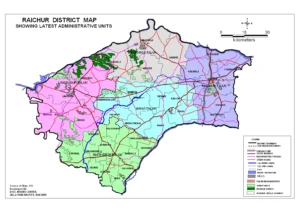
- Taluks: Raichur, Manvi, Sindhanur, Lingsugur, Devadurga, Maski.
2. Historical Significance
-
- Archaeological evidence of Paleolithic and Neolithic settlements.
- Ruled by Mauryas, Satavahanas, Kadambas, Chalukyas, Kakatiyas, Bahmanis, Vijayanagara Empire, and later the Mysore Kingdom and Hyderabad State.
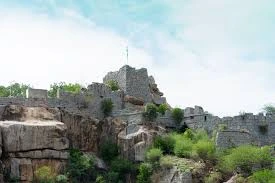
- Raichur Fort (Kakatiya-era) is a major landmark.
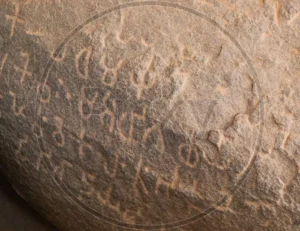
- Maski inscription is historically significant for mentioning Emperor Ashoka.
- Presence of inscriptions in multiple languages (Kannada, Prakrit, Sanskrit, Persian, Arabic) showing a diverse cultural past.
3. Geography & Environment
-
- Bounded by the Krishna river to the north and Tungabhadra river to the south.
- Climate is hot and semi-arid; receives monsoon rainfall mainly June–September.
- Soil:
- Black cotton soil (ideal for cotton, jowar).
- Some areas with red soil and alluvial soil (paddy cultivation).
- Falls in the dry agro-climatic zone, though river-based irrigation makes some areas agriculturally prosperous.
4. Economy
1.Agriculture
-
- Known as the “Rice Bowl of Karnataka” due to extensive paddy cultivation.
- Major crops: paddy, jowar, cotton, chilli, groundnut, pulses, bajra.
- Horticulture: sweet lime (mosambi), mango, pomegranate.
- Challenges include mono-cropping, high input costs, and vulnerability to climate variations.
2.Industry
-
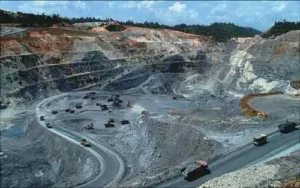
- Hutti Gold Mines – one of India’s oldest and largest operating gold mines.
-
- Raichur Thermal Power Station and Yermarus Thermal Power Plant supply significant power to Karnataka.
- Rice mills, cotton ginning units, and agro-based industries are common.
- Pharmaceutical manufacturing (notably in Raichur city) is growing.
3.Livelihood Issues
-
- Farmer indebtedness remains an issue due to reliance on non-institutional credit.
- Distress linked to irrigation variability and fluctuations in paddy and cotton prices.
5. Socio-Demographics
-
- Population approx. 19–20 lakh (2011 Census).
- Literacy rate: Around 60% – among the lower in Karnataka.
- Languages: Kannada primarily; Urdu and Telugu are also spoken in some pockets.
- Social indicators lag relative to state averages, warranting focused development.
6. Culture & Heritage
-
- Raichur Fort, Maski inscriptions, megalithic sites, and medieval temples form a rich heritage landscape.
-
- Folk traditions, fairs, and riverine festivals around Krishna–Tungabhadra region are important culturally.
- Has potential for heritage tourism development.
7. Governance & Development Challenges
-
- Identified as one of Karnataka’s more backward districts historically.
- Challenges:
- Low literacy
- Agrarian distress
- Drinking water scarcity in some rural areas
- Irrigation inequity
- Poor diversification in agriculture
- High rural poverty in certain taluks
- Illegal sand mining and regulatory gaps in mineral extraction require strong governance.
- Floods during heavy monsoon years from Krishna/Tungabhadra create disaster management issues.
8. Infrastructure
-
- Irrigation: Tungabhadra and Krishna river canal networks support agriculture.
- Power infrastructure: Presence of large thermal power plants.
- Transport: Moderate road and rail connectivity; development still lower compared to southern Karnataka.
- Industrial infrastructure: Industrial estates exist but under-utilised.
9. Environment & Disaster Issues
-
- Flooding: Frequent in monsoon when rivers swell.
- Soil degradation: Overuse of fertilisers and monocropping affecting soil health.
- Mining impacts: Land degradation around mining belts; need for ecological restoration.
- Water stress: Despite rivers, certain areas suffer from seasonal scarcity.
10. Current Affairs Themes (Interview-Relevant)
-
- Crop diversification efforts (pulses, horticulture).
- Modernisation of irrigation canals and micro-irrigation projects.
- New agro-processing units, especially pulse-processing.
- Crackdown on illegal mining (gold and other minerals).
- Flood management preparations and alerts during monsoon.
- Focus from the Aspirational Districts Programme on education, nutrition, health, and agriculture.
Expected UPSC Interview Questions (Raichur)
General District Questions
- “Tell us about Raichur district.”
- “Why is Raichur called the ‘Rice Bowl of Karnataka’?”
- “What is the significance of Raichur Fort and Maski inscription?”
Governance / Development
- “What are the major developmental challenges of Raichur?”
- “If you are the DC, how would you reduce agrarian distress?”
- “How will you ensure equitable irrigation in the Krishna–Tungabhadra Doab?”
Agriculture
- “How can Raichur diversify beyond paddy cultivation?”
- “Why are Raichur farmers dependent on non-institutional credit?”
Industry & Environment
- “What role do Hutti Gold Mines play in local development?”
- “What environmental concerns arise from mining in Raichur?”
- “Should thermal power in Raichur be gradually replaced by renewables?”
Disaster & Ecology
- “How would you manage flood risks as an administrator?”
- “How can soil health be restored in Raichur?”
If You Were the District Collector – Vision for Raichur
- Promote crop diversification into pulses, oilseeds, and horticulture.
- Strengthen FPOs, agri-credit access, and reduce dependence on informal lenders.
- Improve school enrollment and learning outcomes to address low literacy.
- Modernise irrigation, promote micro-irrigation, and reduce water wastage.
- Strict regulation of illegal mining and scientific rehabilitation of mined land.
- Develop heritage tourism centered on Raichur Fort, Maski, and megalithic sites.
- Strengthen flood preparedness using early-warning systems and community training.
- Improve health and nutrition outcomes using Aspirational District Programme resources.
Compiled by
Vinayak .Y.u
Related Posts

Raja Ram Mohan Roy
Posted on

