

UPSC Interview Notes – Chitradurga District
Basic Introduction
-
- State: Karnataka
- Headquarters: Chitradurga city
- Region: Central Karnataka
- Geographical Identity: Lies in the semi-arid central plains of Karnataka; part of the Deccan plateau.
- Taluks: Chitradurga, Holalkere, Challakere, Hiriyur, Molakalmuru, Hosadurga.

Historical Significance
-
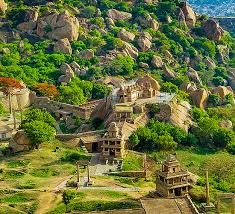
- Chitradurga Fort – famous hill fort built across 7 hills, historically strategic.
- Dynasties: Hoysalas, Nayakas of Chitradurga, later under Mysore Wodeyars and the British.
- Resistance History: The fort is associated with Onake Obavva, a legendary woman warrior.
- Cultural Heritage: Rich in inscriptions, temples, and monuments reflecting Hoysala and Vijayanagara influence.
Geography & Environment
-
- Lies on Deccan Plateau, altitude ~732 m.
- Semi-arid climate; rainfall mostly during June–September monsoon.
- Soil types:
- Red sandy loam, black cotton soil in some pockets.
- Rivers: Vedavathi (tributary of Tungabhadra), Suvarnamukhi.
- Known for rocky terrain and granitic hills – suitable for quarrying and wind energy.
Economy
1. Agriculture
-
- Major Crops: Jowar, ragi, groundnut, cotton, pulses.
- Predominantly rainfed agriculture; irrigation mainly from Vedavathi and Tungabhadra canals.
- Low productivity in some taluks due to semi-arid conditions.
2. Industry
-
- Wind Energy: Many wind farms, especially in Challakere and Hiriyur.
- Granite & Stone Quarrying: Key local industry.
- Small-scale Agro-processing Units: Pulses, oilseeds, rice mills.
3. Livelihood
-
- Mix of agriculture and wage labor; seasonal migration to nearby urban centers is common.
- Issues include low irrigation coverage and dependence on rainfall.
Socio-Demographics
- Moderate population density compared to coastal Karnataka.
- Literacy: Around 70–72% (moderate for Karnataka).
- Languages: Kannada is dominant; minor presence of Urdu and Telugu in border areas.
- Social issues: Rural poverty and lack of employment in rainfed areas are key challenges.
Culture & Heritage
- Chitradurga Fort – major tourist and cultural landmark.
- Temples: Chandravalli and Bheemeshwari temples reflect Hoysala and Vijayanagara architecture.
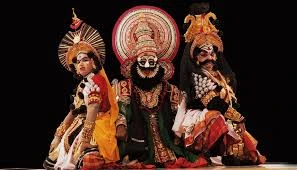
- Folk Traditions: Yakshagana performances, local fairs, and traditional craft activities.
- Legendary History: Stories of Onake Obavva are part of Karnataka folklore.

Governance & Development Challenges
- Backward Taluks: Some areas are drought-prone and lack basic facilities.
- Agriculture: Rainfed farming makes income seasonal and vulnerable.
- Water Scarcity: Vedavathi and Tungabhadra canals used but coverage is partial.
- Employment: Limited industrial employment; government jobs and migration are key livelihood options.
- Heritage Preservation: Maintaining forts, temples, and historical sites amidst low local resources.
Infrastructure
- Road Connectivity: Good road network connecting taluks, but internal village roads need improvement.
- Rail: Limited connectivity; nearest major railway junctions at Davanagere and Hiriyur.
- Energy: Wind power generation and some small-scale solar initiatives.
- Irrigation: Tungabhadra canal and Vedavathi canal network; some micro-irrigation projects ongoing.
Environment & Disaster Issues
- Drought-prone: Semi-arid central plateau; water scarcity common.
- Soil Degradation: Over-cultivation and low organic content affecting productivity.
- Wind Energy & Quarrying: Potential ecological concerns if not regulated.
- Disaster Management: Occasional crop failure, water shortage; requires proactive schemes.
Current Affairs Themes (Interview-Relevant)
- Wind energy projects expansion and rural employment generation.
- Irrigation and watershed projects to mitigate drought risk.
- Heritage tourism promotion at Chitradurga Fort and associated sites.
- Agro-processing initiatives to support small-scale farmers.
- Government interventions in backward taluks under Aspirational District schemes.
Probable UPSC Interview Questions (Chitradurga)
- “Tell us about Chitradurga district and its historical importance.”
- “Why is Chitradurga strategically important historically?”
- “What are the main development challenges in Chitradurga?”
- “How would you address water scarcity and drought-prone areas as DC?”
- “How can wind energy and tourism be leveraged for local economic development?”
- “What strategies would you adopt to improve agriculture in rainfed taluks?”
- “How would you balance heritage conservation with local development needs?”
- “Discuss livelihood challenges in Chitradurga and ways to reduce migration.”
If You Were District Collector – Vision for Chitradurga
- Promote micro-irrigation and water conservation for rainfed agriculture.
- Encourage wind energy and solar projects for rural employment.
- Develop heritage tourism (Chitradurga Fort, temples) to generate local income.
- Implement Aspirational District initiatives to improve literacy, health, and nutrition.
- Introduce crop diversification to reduce dependence on rainfed cereals.
- Strengthen rural infrastructure (roads, schools, healthcare).
- Monitor environmental impacts of quarrying and energy projects
Compiled by
Vinayak .Y.u
Related Posts


