
OIL Reports Natural Gas Discovery in Andaman Offshore Block
Subject: Economy | Energy Security
Why in News?
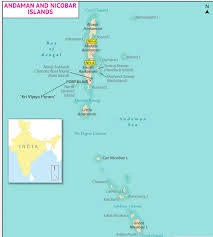
State-owned Oil India Limited (OIL) has confirmed the presence of natural gas in its third exploratory well, Vijayapuram-3, located in the shallow offshore block of the Andaman and Nicobar Islands.
This marks another significant milestone in India’s efforts to enhance domestic hydrocarbon production and reduce dependence on imported energy.
Key Highlights of the Discovery
Discovery at Vijayapuram-3
- Natural gas was confirmed during production testing at a depth of more than 1,900 metres.
- Hydrocarbon presence has now been established in two out of three exploratory wells drilled by OIL in the block.
- OIL had previously reported a natural gas discovery in the second exploratory well in September 2025.
Geological Significance
- The gas-bearing reservoir was identified in the Eocene geological formation.
- Continuous flaring during testing indicated sustained gas flow.
- Following perforation, rapid pressure build-up was observed, confirming the productivity of the well.
Next Steps
- Detailed appraisal activities will be conducted to determine:
- Size of reserves
- Quality of gas
- Commercial viability
- Production potential
Significance of the Discovery
Energy Security
- Reduces India’s dependence on imported LNG and crude oil.
- Strengthens domestic energy availability.
- Supports the vision of Atmanirbhar Bharat in the energy sector.
Offshore Exploration Push
Union Petroleum Minister Hardeep Singh Puri highlighted India’s growing offshore exploration ambitions and cooperation with global energy majors such as:
Strategic Importance of Andaman Basin
- Located near major international shipping routes.
- Considered one of India’s least explored hydrocarbon provinces.
- May emerge as a future energy hub in the Indo-Pacific region.
Eocene Epoch and Hydrocarbon Formation
About the Eocene Epoch
Eocene Epoch
- Time Period: 56 million to 33.9 million years ago
- Part of the Paleogene Period.
- Characterized by:
- Warm global climate
- Extensive marine sedimentation
- Formation of organic-rich sedimentary rocks
Why Important for Hydrocarbons?
- Organic matter accumulated in sedimentary basins.
- Over millions of years, heat and pressure converted organic material into oil and natural gas.
- Many productive hydrocarbon basins across the world are associated with Eocene-age formations.
Major Natural Gas Reserve Regions (Global)
| Region | Country/Area | Key Features |
|---|---|---|
| Russia | Russia | World’s largest natural gas reserves; major fields in West Siberia and the Arctic region. |
| Middle East | Iran, Qatar | Hold the world’s second and third largest reserves; home to the South Pars–North Dome Gas Field, the world’s largest gas field. |
| North America | United States | Major reserves concentrated in Texas, Oklahoma, and Kansas. |
| Europe | Norway, Netherlands | Significant reserves located in the North Sea region. |
| Africa & Southeast Asia | Algeria, Nigeria, Indonesia | Important gas-producing regions supplying domestic and international markets. |
Natural Gas Distribution in India
| Region | Basin/Field | Location | Significance |
|---|---|---|---|
| Western Offshore | Bombay High | Arabian Sea | India’s largest offshore hydrocarbon field; major contributor to oil and gas production. |
| Western Offshore | Bassein Field | Offshore Maharashtra | Major source of natural gas for western India. |
| Eastern Offshore | Krishna-Godavari Basin | Bay of Bengal coast | One of India’s most important gas-producing basins; known for deep-water discoveries. |
| Onshore Basin | Assam Basin | Assam | Birthplace of India’s petroleum industry; important oil and gas reserves. |
| Onshore Basin | Tripura Basin | Tripura | Significant natural gas producer in Northeast India. |
| Onshore Basin | Gujarat Basin | Gujarat | Major onshore oil and gas reserves. |
| Southern Region | Cuddalore Basin | Cuddalore | Important sedimentary basin with hydrocarbon potential. |
| Eastern Offshore | Odisha Offshore Basin | Offshore Odisha | Emerging offshore exploration area with future potential. |
Future Potential: Andaman Basin
Andaman Basin
- Estimated to contain up to 1,700 billion cubic metres of natural gas based on geological assessments.
- Considered one of India’s most promising frontier exploration areas.
- Commercial production potential is still being evaluated.
Mains Question
“India’s energy security increasingly depends on the exploration of frontier hydrocarbon basins. Examine the significance of the recent natural gas discoveries in the Andaman offshore region and discuss their implications for India’s energy strategy and blue economy ambitions.” (15 Marks)


